Veterinary Public Health
Influenza A H1N1
Influenza H1N1 in a Los Angeles County Cat
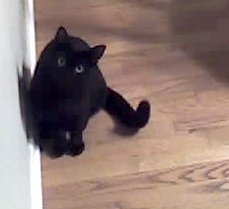
On December 22, 2009, the Los Angeles County Department of Public Health, Veterinary Public Health Program was notified that a local cat was confirmed to have contracted the 2009 H1N1 influenza virus. Dr. Jason Rattan of Pico Boulevard Pet Hospital examined the cat on December 18th.
The owner had been confirmed to have H1N1 influenza, and had been ill for several days prior to the cat becoming sick. The cat began sneezing and developed a nasal discharge and occasional cough on 12/17. The cat had spent a considerable amount of time on the owner’s lap. Based on the presenting symptoms and history, Dr. Rattan submitted swab samples to IDEXX Laboratories for a Feline Upper Respiratory Disease Panel. The cat tested PCR positive for both the H1N1 Influenza virus and Mycoplasma felis. The H1N1 test results were confirmed by the California Animal Health & Food Safety Laboratory at Davis, CA.
This is the first confirmed case of 2009 H1N1 influenza in a local pet. Nationwide, there have been several reported cases in animals, including cats, ferrets, turkeys, swine, a cheetah, and most recently a dog in New York. Elsewhere in the world, the virus has been detected in swine, turkeys and dogs (2 in China). In each case, it appears that the animals contracted the infection from infected people. While transmission of this virus to animals appears to be rare, it is still important for individuals with influenza-like illness to take precautions which will minimize spread of the virus to both humans and animals.
People can keep their pets healthy by washing their hands, covering their coughs and sneezes, and minimizing their contact with their pets when they are ill. If a pet becomes ill, they should consult their veterinarian.
Reporting: report animal disease cases through our reporting page. Completed case reports may be emailed in to vet@ph.lacounty.gov or faxed to 213-481-2375.
Our program may assist with testing certain animals for H1N1 influenza, especially in cases where the owner was confirmed to have the infection. If you have any questions, please contact us at 213-288-7060. Thank you for your assistance with local animal disease surveillance.
Brochures
Influenza H1N1—Veterinarian Guidance #1
Interim Recommendations for Monitoring and Reporting Influenza A H1N1 in Pigs

5/5/09 PLEASE NOTE: This is a rapidly evolving situation. This alert provides interim guidance. Guidance is likely to change in the upcoming days and weeks as more information becomes available.
Background
A new variant of the influenza A (H1N1) virus, previously called swine flu, has been detected in humans Los Angeles County, other parts of California, and a number of other states and countries. We expect this type of flu will continue to spread. In the U.S., those with this virus have had only mild or moderate symptoms.
Transmission
Although the 2009 H1N1 flu virus has been called "swine flu", there are no reports of this specific virus being found in swine or other animals in the United States. The hypothesized transmission is human to human, with no evidence for pig to human transmission. The virus is not transmitted by eating pork. This virus has been found to contain components from a variety of flu viruses and is different from conventional swine flu.
There have been no local or national reports of unusual illness from this new H1N1 influenza in pigs, but there have been reported swine infections in Canada. In that case, the pigs appear to have contracted the infection from an ill worker that had recently returned from Mexico.
Surveillance and Reporting
Individuals who have flu-like symptoms should not work with swine. Also, if you see any sick pigs with clinical signs consistent with flu or any pigs that die acutely from unknown causes, please contact Veterinary Public Health at 213-288-7060. Please also submit a report on the case through our reporting page, or email vet@ph.lacounty.gov or fax to 213-481-2375.
The clinical signs of conventional swine flu in pigs include:
- Sudden onset of fever
- Coughing (barking)
- Discharge from the nose or eyes
- Sneezing
- Breathing difficulties
- Eye redness or inflammation
- Depression
- Going off feed
The Los Angeles County Department of Public Health wants to encourage animal health workers to remain updated on the latest information about this virus. Please visit frequently both this page and the main homepage of the Department of Public Health.
Brochures and Prevention Resources
Please read, post, and distribute the following educational information about the new H1N1 virus.